
26/08/2020
By working pro-actively and responsibly, over the past eight years the NBS has been successfully maintaining relative stability of the exchange rate, which is one of the main pillars of monetary, financial and macroeconomic stability of our country.
Such approach to maintaining relative stability of the exchange rate is consistent with inflation targeting as the main monetary policy strategy. Its justifiability is also confirmed by the latest papers and research of renowned institutions such as the BIS and IMF.
“Overall economic policy, the determination and responsibility of policy makers to implement necessary reforms, the creation of a stimulating business environment, much better growth prospects of Serbia – all this together constitutes stability and gives rise to confidence and credit rating upgrades”, highlighted Governor Jorgovanka Tabaković.
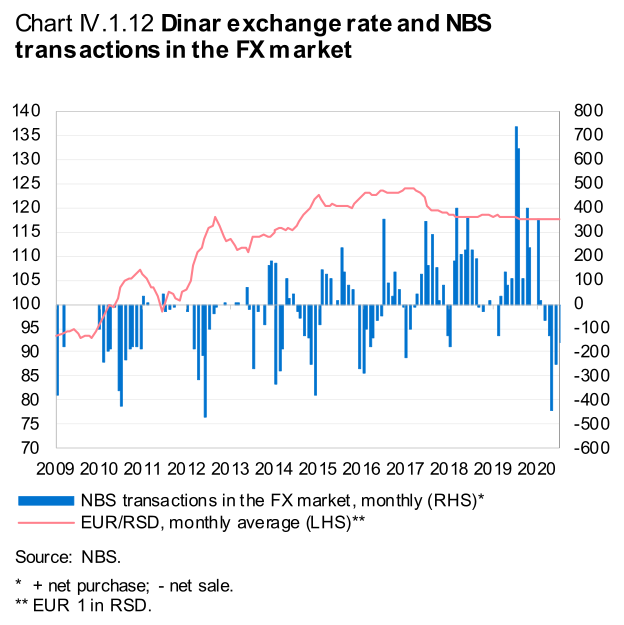
In the periods of prevailing upward pressures on the dinar, which in the past years are the result of stronger macroeconomic indicators, by acting pro-actively the NBS has been buying foreign currency, thus boosting FX reserves and creating a sound basis for the preservation of the country’s external position amid the global turmoil. From April 2017 until late 2019, the NBS bought over EUR 5.3 bn net, strengthening the resilience of the domestic financial system to external shocks.
Amid downward pressures on the dinar, such as current uncertainties concerning the global pandemic, the NBS is using the FX reserves boosted in the prior period in a well-calibrated and cautious manner. To preserve the stability of the FX market and avert the potential negative effects of excessive volatility, i.e. depreciation, on citizens and businesses, including those with FX liabilities, the NBS has acted as a net seller of foreign currency.
Such approach to maintaining relative stability of the exchange rate is consistent with inflation targeting as the main monetary strategy, as evidenced by the results achieved in terms of preserving low inflation. In the past eight years, such approach to maintaining relative stability of the exchange rate has proven to be optimal and the only reasonable in an environment of the still high euroisation of the domestic economy, which has been reducing owing to the achieved and maintained stability.
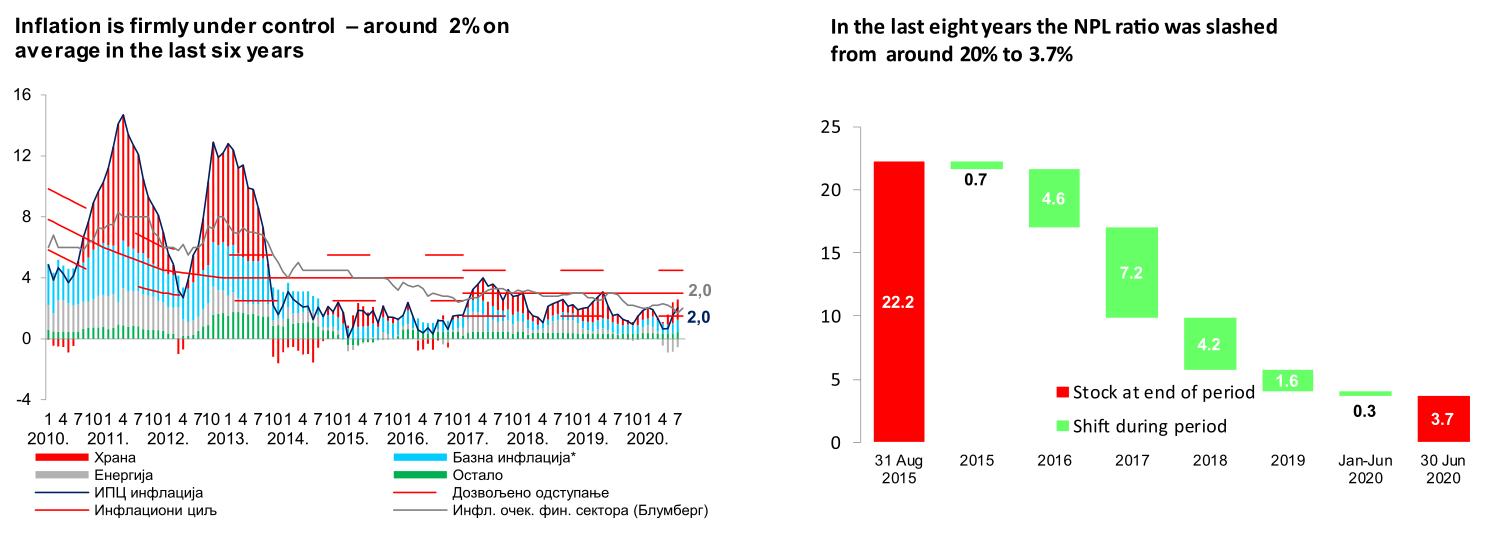
The adequacy of the NBS approach, which takes into account all specificities of the domestic economy and the environment, is increasingly being confirmed by economic theory, as shown by the latest papers and research of renowned institutions such as the BIS and IMF.
The latest example of such confirmation is the BIS economic analysis – Corporate Dollar Debt and Depreciations: All's Well that Ends Well?, published on 24 August. It deals with the effects of depreciation of the domestic currency in an environment of a high level of FX indebtedness of the corporate sector – on the example of 15 emerging economies.
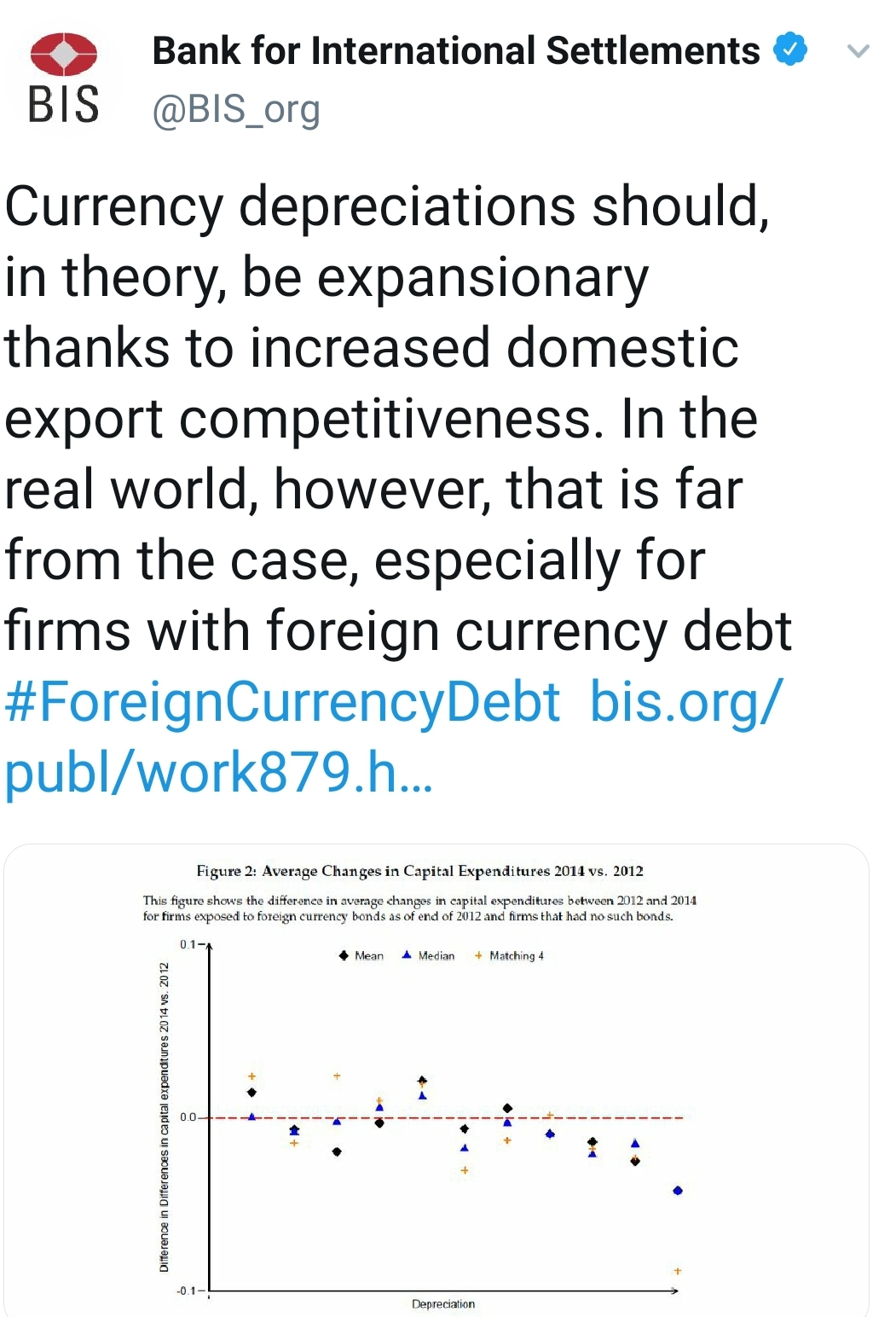
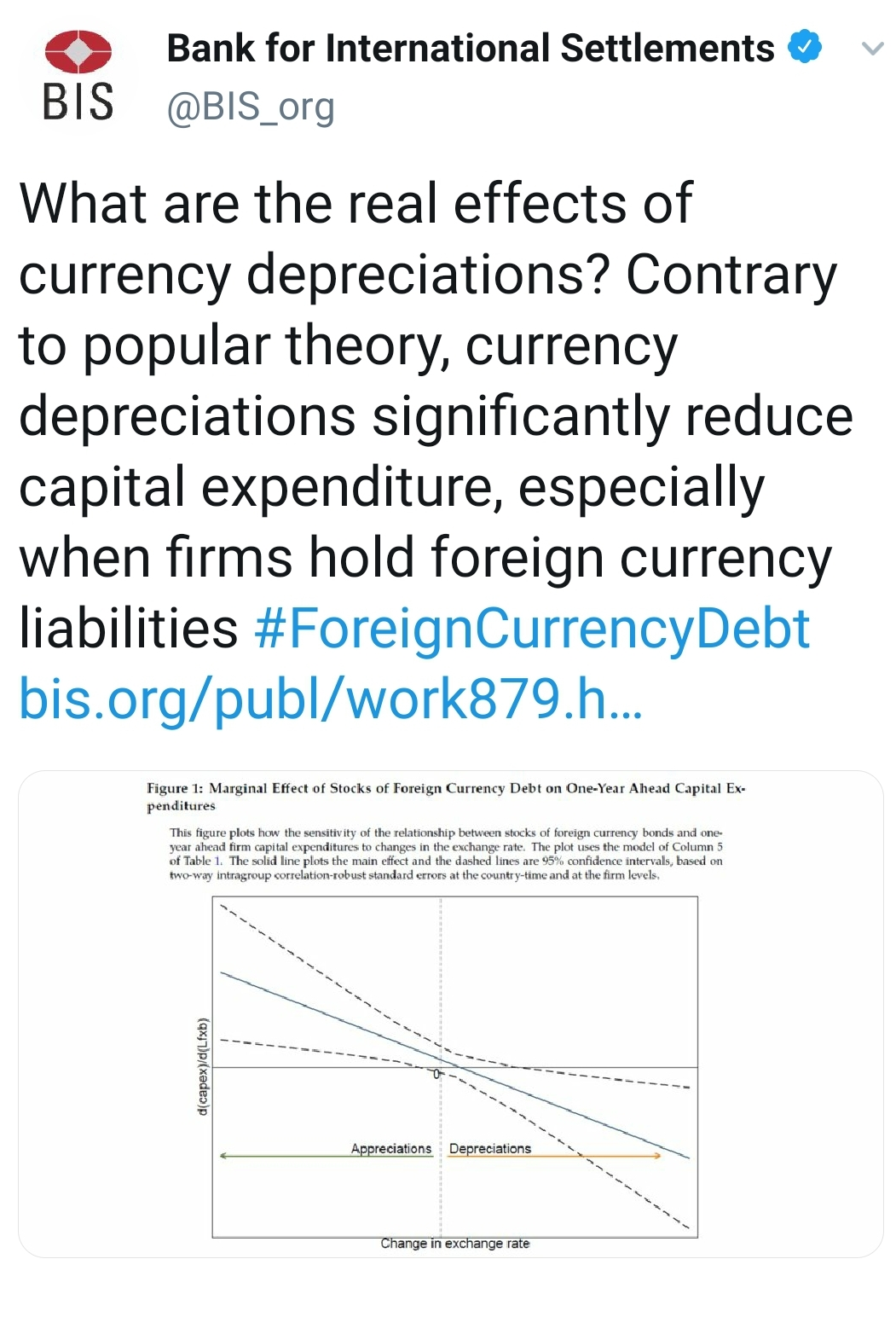
The BIS analysis shows that “currency depreciations should, in theory, be expansionary thanks to increased domestic export competitiveness, [but] in the real world that is far from the case, especially for firms with foreign currency debt”. According to the results of the analysis, depreciation can produce significant negative effects on companies’ balance sheets and can reduce investment activity. If a company which borrowed in foreign currency is not hedged against FX risk, it is vulnerable to sudden changes in the exchange rate either operationally (if it is an exporter) or financially (through the use of FX hedging instruments).
The recent IMF analysis Dominant Currencies and the Limits of Exchange Rate Flexibility supports these conclusions. Namely, the gains from weaker currencies are limited and short-lived, particularly in the case of emerging economies, where only a muted reaction of export quantities to currency depreciation is recorded, in the short run. We could feel the negative consequences of significant currency depreciation on Serbia’s financial stability in the period before 2012 and we will not allow their recurrence.
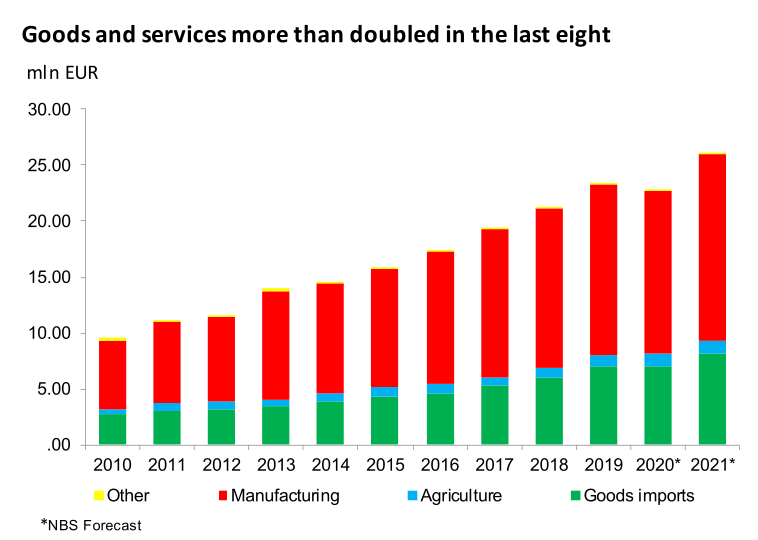
The new findings of economic theory, such as the ones presented here, confirm the adequacy of the NBS approach to preserving relative stability of the exchange rate. They also strengthen our resolve to continue applying this approach as it brings multiple benefits to citizens and businesses – stability has no alternative.
Governor's Office